Museos de Fuerteventura (Cabildo)
Ajuy caves: free coastal walk
A coastal walk from the fishing village of Ajuy to the caves, with the oldest rocks in the Canaries, no ticket, plus parking and restaurants.
Not rated yet
Part of Pájara
Also known as Cuevas y puerto de la Peña
A small west-coast village with a black-sand beach and the sea caves.
Adds to the Pájara stamp.
0/8No stamps yet: 8 towns waiting See my passport
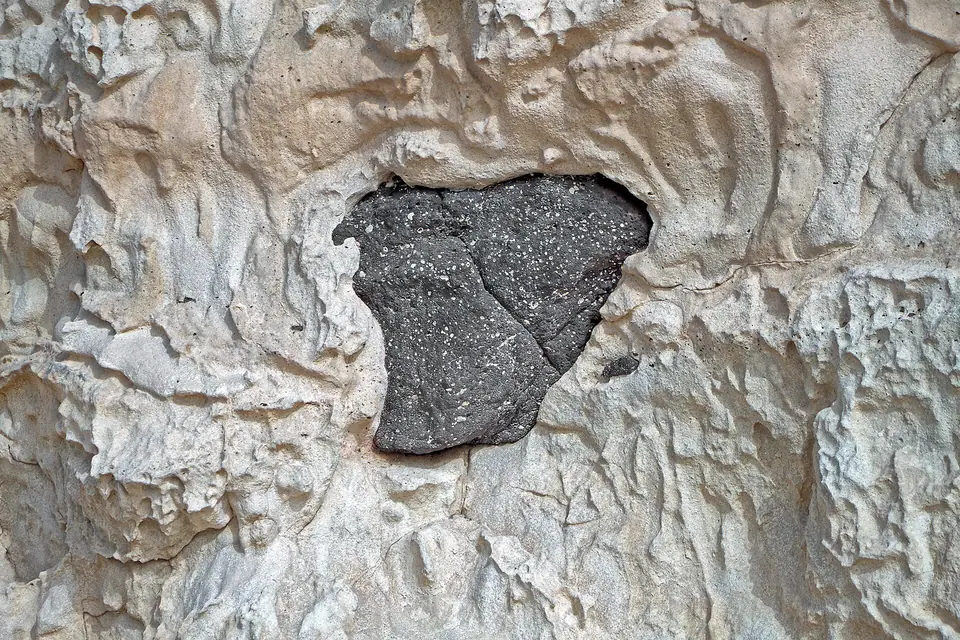
Ajuy had around 80 inhabitants (2012, Wikipedia). Its beach, also called Puerto de la Peña, was a shipping point for grain and livestock bound for the domestic market, Lower Andalusia and Madeira. The Ajuy Natural Monument was declared on 19 December 1994 for its deposits of oceanic sediments and marine fossils; guides place these rocks, the oldest on the islands, in the Cretaceous, between 100 and 150 million years ago.
Ajuy is almost always visited from the interior: it is about 8.5 km from Pájara village, about 10 km from Betancuria and about 7.5 km from Vega de Río Palmas, all in a straight line. The visit is the walk to the caves, which is free and carries no fee.
The path follows the rocky coast and takes 15 to 20 minutes on foot. The village has parking and restaurants, so the walk combines well with a meal. It is not wheelchair accessible, you need to follow the paths and watch the cliff edge, and in rough seas some sections may be limited. Wear sturdy shoes: the coast is rock.
It is a good stop between two inland visits. In the morning you can go to Betancuria, with its Archaeological Museum, and in the afternoon drive down to Ajuy; or the other way round. Either way, count on half a day: the walk itself is short, but the journey from other parts of the island is not.
Museos de Fuerteventura (Cabildo)
A coastal walk from the fishing village of Ajuy to the caves, with the oldest rocks in the Canaries, no ticket, plus parking and restaurants.
The stamp is the town. The dots are experiences in and around it, coloured by category.
Nearest first, up to 12 km in a straight line.
Museos de Fuerteventura (Cabildo)
A modern museum in Betancuria on the island's Majorero aboriginal culture and its archaeological research.
Museos de Fuerteventura (Cabildo)
A rebuilt rural hamlet of seven Majorero houses with workshops where traditional crafts such as palm weaving and pottery are shown.
Two hours of night sky with a telescope, laser pointer, blanket and rug, led by an IAC-accredited Starlight guide; Thursdays except full moon.
Museos de Fuerteventura (Cabildo)
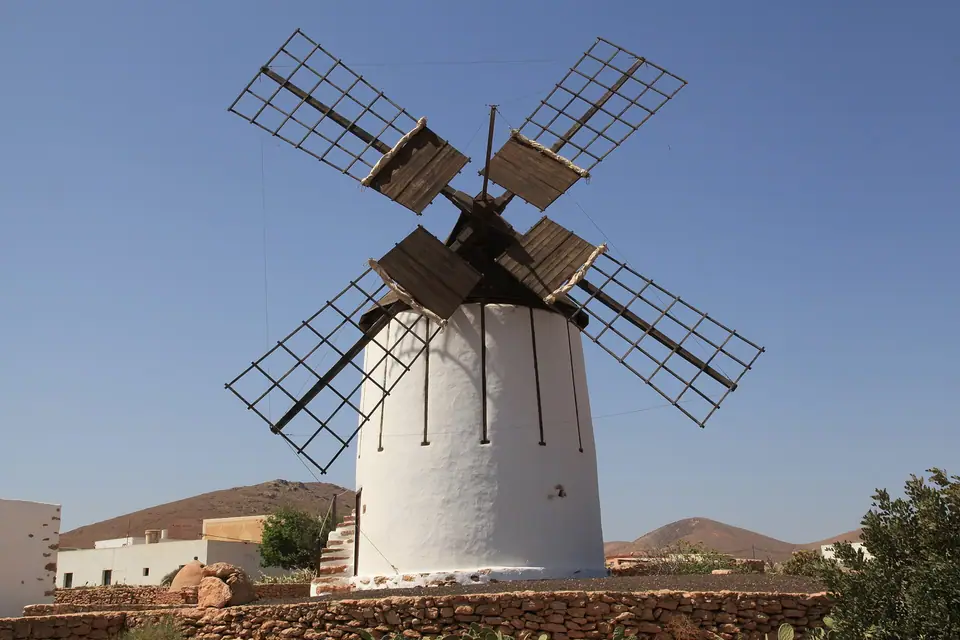
A centre on the island's windmills, grain growing and gofio-making in the village of Tiscamanita.
Its patron is Saint John the Baptist (Wikipedia infobox); the source consulted gives no festivals. Local holidays are Pájara’s.
Wear sturdy footwear: the path to the caves runs along the rocky coast.
Look for a stay in Ajuy or nearby. These are open searches on external sites: compare price, location and terms before you book.
Part of the links are affiliate links. If you book, we may earn a commission, at no extra cost to you. What affiliate links are
Ajuy had around 80 inhabitants (2012, Wikipedia). Its beach, also called Puerto de la Peña, was a shipping point for grain and livestock bound for the domestic market, Lower Andalusia and Madeira. The Ajuy Natural Monument was declared on 19 December 1994 for its deposits of oceanic sediments and marine fossils; guides place these rocks, the oldest on the islands, in the Cretaceous, between 100 and 150 million years ago. Atlas de Fuerteventura lists 1 experience in town, 4 nearby: Ajuy caves: free coastal walk, Fuerteventura Archaeological Museum (Betancuria), La Alcogida Ecomuseum (Tefía), Stargazing with a Starlight guide at Los Molinos, Windmill Visitor Centre (Tiscamanita).
Its patron is Saint John the Baptist (Wikipedia infobox); the source consulted gives no festivals. Local holidays are Pájara’s.
Wear sturdy footwear: the path to the caves runs along the rocky coast.
Our own text, drawn from these sources checked on 2026-11-21. Dates, opening times and bus lines change, so check before you go.